 2 min read
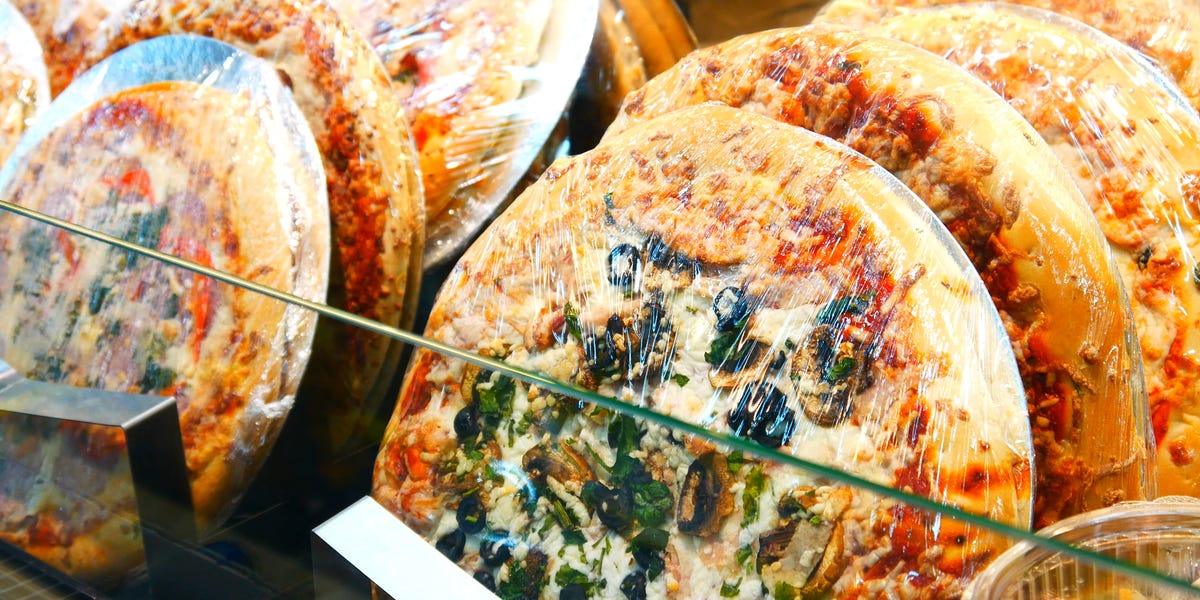
Over 25,000 cases of frozen pizza and focaccia have been recalled due to possible metal contamination.
Some affected products were sold at Trader Joe’s, as well as at other retailers and in meal kits.
The FDA classified it as a Class II recall, and customers should not consume the items.
If you recently stocked up on frozen pizza or focaccia, you might want to take a second look at your freezer.
More than 25,000 cases of ready-to-eat pizza and bread products have been recalled after the U.S. Food and Drug Administration flagged a potential contamination issue involving metal fragments. The recall centers on items produced by North Carolina–based manufacturer Bakkavor, which supplies a range of private-label and prepared foods across major retailers and meal kit services.
While the recall was initially issued back in January, it was officially classified as a Class II recall on March 23. That classification means the products could cause temporary or medically reversible health issues if consumed, rather than posing a high risk of severe injury, but it’s still not something you want to ignore.
So What Exactly Is Affected?
The recall includes a variety of frozen items sold under multiple major grocery and meal kit brands, including Trader Joe’s, HelloFresh, Harris Teeter, Meijer, and Fresh & Simple. The impacted products were distributed across 10 states, including California, Texas, Florida, and New Jersey. Some of the items were also shipped directly to customers through meal kits, making the recall’s reach a little broader than a typical in-store product pull. Here are the exact products affected:
- Basil Pesto & Mozzarella Pizza UPC 8 57919 00785 5 with use-by dates from 6/29/26 to 9/5/26.
- Roasted Tomato Parmesan Focaccia UPC 7 13733 88387 0, UPC 8 50061 35318 4, UPC 0 72036 95631 6, and UPC 0064 4358 with use-by dates ranging from 7/26/26 to 10/15/26.
The issue traces back to one specific ingredient: slow-roasted tomatoes. According to the FDA, those tomatoes may have been contaminated with small metal fragments during processing, which were then incorporated into the finished products.
No injuries have been reported so far, but ingesting metal fragments can still pose a serious hazard.
If you have any of the affected products at home, the guidance is simple: Don’t eat them. Instead, throw them out or return them to the place of purchase for a full refund. It’s also worth checking lot numbers and use-by dates carefully, since the recall spans multiple batches with dates ranging from late spring through early fall 2026.