 2 min read
- David Protein is responding after a class-action lawsuit challenged the nutrition labeling on its bars.
- The lawsuit alleged the bars contained significantly more calories and fat than advertised, but founder Peter Rahal says the claims are based on the wrong testing method.
- In a new statement, Rahal says the bars are labeled correctly, fully compliant, and that the company plans to fight the case.
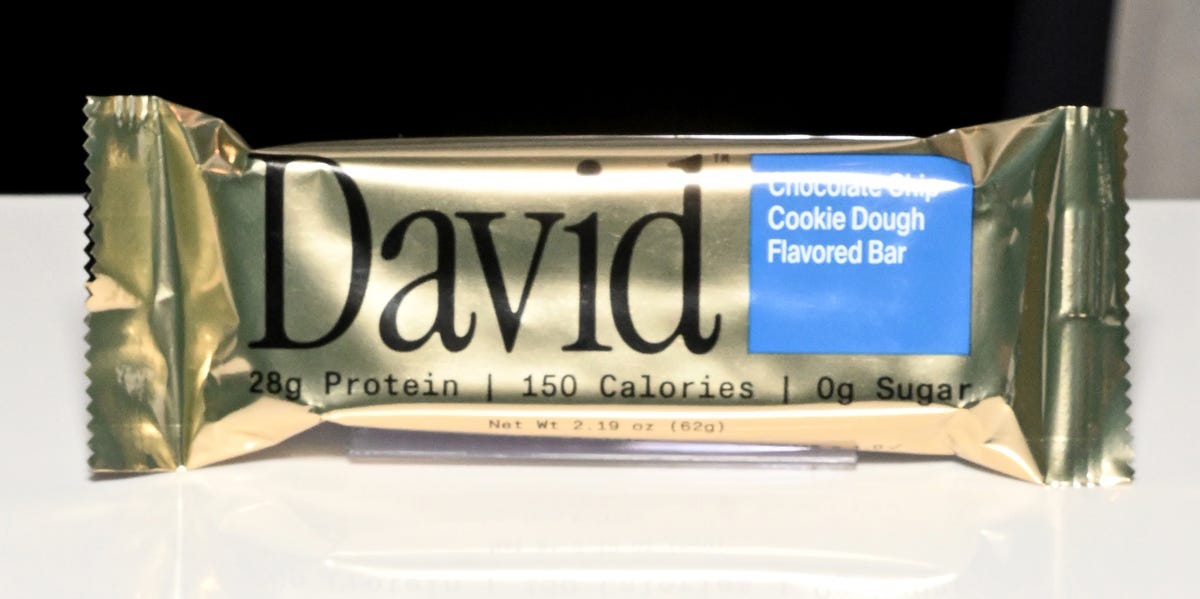
David Protein bars blew up in part because their nutrition profile looked almost too good to be real. The numbers looked unusually lean, the protein count was high, and and at roughly $3.25 a bar, they quickly became one of those products people either swore by or side-eyed on principle. Earlier this year, that skepticism turned into a lawsuit.
As Delish previously reported, a class-action suit filed on January 23 accused the company of misrepresenting the calorie and fat content of its bars. The complaint pointed to outside lab testing that allegedly found the bars had far more calories and fat than the label stated, and argued that shoppers were misled into buying a product they believed had a much leaner nutrition profile.
Now, founder and CEO Peter Rahal is pushing back directly.
In a statement from March 12, Rahal said the lawsuit is “simply wrong” and argued that it relies on “a flawed and misleading interpretation” of how calories should be calculated for certain ingredients. His main point is that the testing method cited in the lawsuit— bomb calorimetry paired with standard 4-4-9 calorie math—does not properly account for ingredients like fiber, certain sweeteners, and especially EPG, the fat substitute used in David bars.
Rahal says that if you burn ingredients like EPG in a lab, they can appear to contain far more calories than the body actually metabolizes. In his telling, that’s exactly why FDA rules allow for multiple calorie-calculation methods instead of just one. He also says FDA-reviewed GRAS notices have recognized EPG as contributing 0.7 calories per gram, compared with 9 calories per gram for conventional fat.
He pushed back on the fat claim, too, saying EPG contributes only about 0.08 grams of “fat” per gram of EPG. Rahal closed the statement with: “David Protein stands firmly behind the accuracy of its labeling and will vigorously defend it.”
In other words, the brand is not backing off quietly.