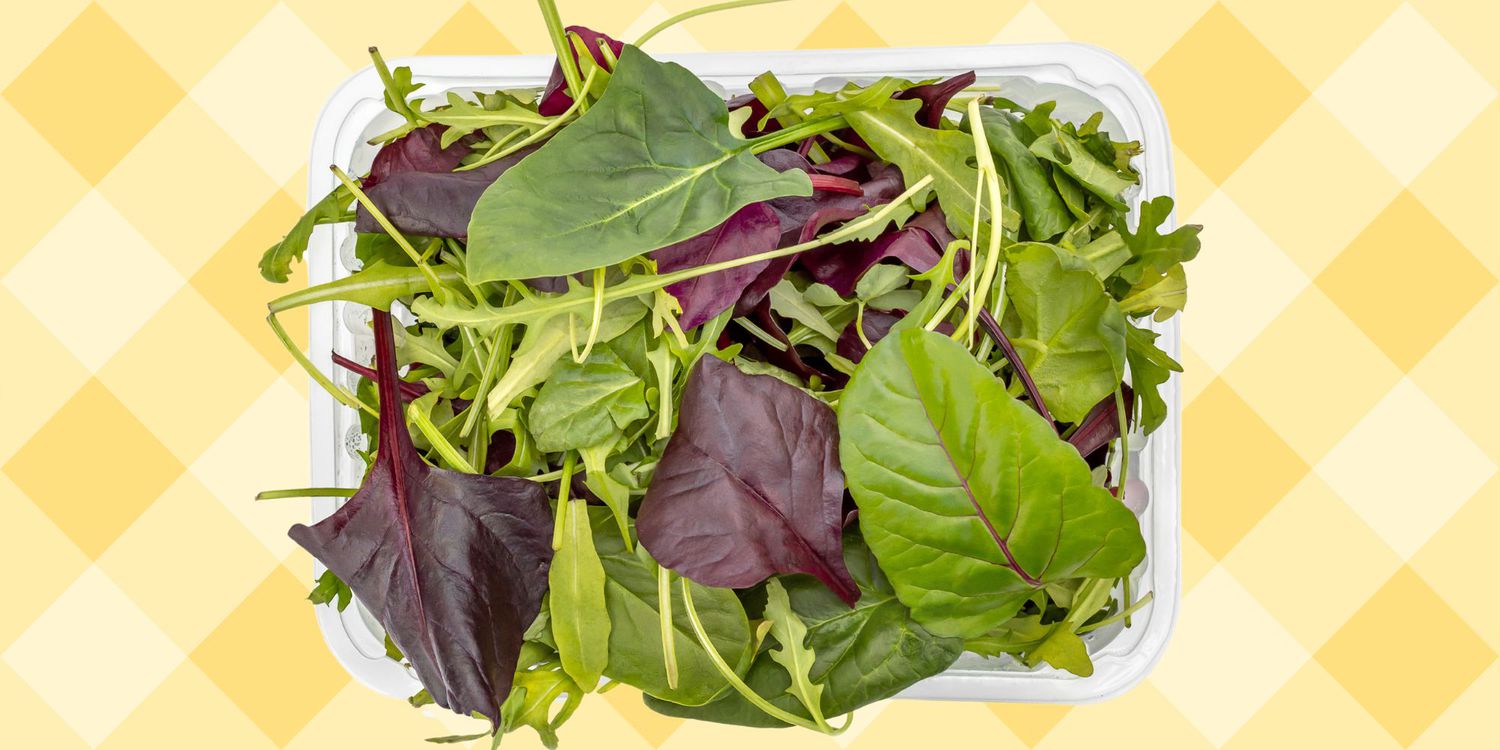
If there’s one hard rule for grocery shopping that I believe in with all my heart and uphold without exception, it is this: NEVER buy “spring mix” salad greens. I don’t care what grocery store I’m at or how much it costs; experience has taught me that spring mix is an outstandingly poor investment. Whether you buy the bag or the plastic clamshell, it’s not uncommon for a portion of the container’s contents to already be wilted—or worse, slimy—upon opening the package. And even if your greens are in decent shape, how long do they realistically retain quality? Maybe 48 hours?
My household goes through a significant amount of salad greens each week—in part because we are big on salads, but also because we like to have greens on hand to toss into pasta dishes or grain bowls, to top sandwiches, and more. So if I open a container of greens, a mere day after purchase, to find a load of slimy leaves oozing that smelly salad sludge all over the leaves that are still clinging to life, it’s a real bummer.
Granted, no variety of salad greens is entirely immune to this fate. Occasionally, you end up with a “bad bag” of greens, regardless of the variety you choose. But with spring mix, a frustratingly short lifespan feels like a near guarantee. Do I have data to support my (arguably harsh) assertion that spring mix is the worst? No, I do not. Anecdotal experience is the only justification I have to offer.
If you love spring mix, I say—more power to you. Keep buying it. However, for those who can relate to my utter disdain for this ubiquitous blend of fragile lettuces, I hope this article provides you with both validation and useful information.
Allrecipes
What Is Spring Mix?
There are no official parameters defining what a spring mix salad blend should include. However, it’s typically made up of baby spinach combined with various other “tender baby lettuces,” like oak and red leaf lettuce. As you’ve likely noticed, spring mix is available year-round, not just during spring; one can assume the name stems from the fact that the blend consists primarily of “baby” lettuces and greens that you might typically pluck during spring if they were grown in your own home garden. Of course, the greens you find in the produce section of your supermarket are typically grown year-round in greenhouses or locations with consistently warmer climates.
Baby lettuces andgreens are simply lettuces and greens that have not yet matured. They’re harvested at an early stage of growth so that the leaves are soft and delicate, rather than crispy. The specific baby leaf varieties in a given package of spring mix will generally vary by producer, but everything included in a blend should be listed somewhere on the packaging. For example, Fresh Express brand lists the following as components of their spring mix blend (along with the caveat that “ingredients may vary”).
Why Does Spring Mix ‘Go Bad’ So Quickly?
Spring mix is primarily, if not entirely, made up of baby lettuces and greens, which are harvested with the intent that they be tender and delicate. Being especially delicate means that this blend is especially prone to bruising and wilting during transport, even if the lettuces are pretty fresh.
The journey from the farm to your fridge is a long one, and all considered, it’s quite a feat for a container of such fragile leaves to make it unmarred. Thus, by the time you buy, bring home, unload, refrigerate, and finally open your package of spring mix, the produce may have already been through a significant pummeling, leaving you with lettuces that appear to be on their last legs. Plastic clamshell packaging tends to protect salad greens more effectively than plastic bags, but it doesn’t guarantee absolute protection for easily damaged greens like those in spring mix.
Salad Greens To Buy Instead of Spring Mix
In general, any lettuces and greens that are allowed to reach full maturity before harvest will hold up better and have a longer shelf life than spring mix. That means, reaching for any of the full-grown versions of the baby varieties included in a spring mix blend will lead to significantly less salad sadness. There’s obviously a convenience factor to having a pre-washed, pre-mixed blend of lettuces that require no chopping—especially if you enjoy a diversity of flavors and textures in your salad base. That said, there’s nothing convenient or enjoyable about tossing a nearly-full package of produce, and it’s ultimately more economical (and less frustrating) to buy a few individual heads or packages of salad makings to create your own blend. So, explore the lettuce and salad greens available at your favorite store, and give one or more of these hardier options a go on your next grocery run.
DOTDASH MEREDITH FOOD STUDIOS
Spinach
Tried and true, you can’t go wrong with fully matured spinach—particularly if you do prefer greens with a more tender bite. Incredibly nutrient-dense and endlessly versatile, spinach stands well all on its own but also makes a fantastic lead component in a blend of greens for a salad. Beyond the salad bowl, a package of spinach offers an easy way to add a nutritious boost (and color!) to pasta, sauces, smoothies, enchiladas, soups, casseroles, eggs, and so much more.
Kale
Whether you opt for curly or lacinato, kale is one of the hardiest and most nutritious salad greens you can buy at the grocery store. You can buy kale in bound bunches with the other loose-leaf lettuces, but many supermarkets also have large bags of curly kale torn into smaller pieces (which I often opt for). The downside of kale is that you need to separate the fibrous stems from the leaves; however, it’s a small price to pay for the resilience, versatility, and health benefits it offers. Because of its hardiness, kale stands up exceptionally well to creamy salad dressings (note how often you see kale Caesars on restaurant menus). But it can certainly carry a lighter vinaigrette with grace. If you find raw kale a bit too rugged for salad, a quick massage makes a huge difference.
Romaine
For a crisp-tender lettuce you know you can rely on, look no further than romaine. You can find packaged romaine hearts (which have the outer leaves removed) or whole heads in most grocery stores. Personally, I prefer the whole head because, even if a couple of the outer leaves need to be removed/discarded, the entire head offers a nice range of textural variety in a single lettuce, as the exterior leaves are more tender than the ultra-crisp hearts. Of course, the packaged romaine hearts are a great buy, as you typically get multiple per bag.
Escarole
Escarole is a leafy green in the same family as endive and radicchio. Although this family member inherited a good portion of its signature hardiness, escarole is less bitter than its aforementioned relatives. Of course, for those who are sensitive to any level of bitterness, escarole is perfect for mixing with a milder-flavored lettuce or green, like spinach or romaine, in a custom salad blend. It will deliver a pleasant kick of flavor intrigue without overwhelming sensitive palates. That said, if you enjoy a bitter bite, you should try escarole’s cousin frisée.
Arugula
The size of arugula leaves suggests a certain delicateness, and while it is an undeniably elegant salad green, arugula is hardly fragile. Arugula is a member of the Brassica family, which includes hardy favorites like broccoli, cabbage, and collard greens. In truth, arugula is my all-time favorite green because of its distinctive peppery flavor—it’s delicious, but never too much. It’s a strong solo artist, but also complements other greens and lettuces quite well.
How to Store Salad Greens
No matter what variety of salad greens you buy, it’s essential to keep in mind that they are inherently more susceptible to damage than other, more substantial produce items. Buying hardier lettuces and greens is a significant step toward minimizing the amount you’re prematurely tossing. But proper storage is essential to maintaining quality and prolonging the lifespan of your salad greens. Get the most from your greens by embracing the following tips:
- Whenever possible, opt for hard-sided plastic clamshell or dome containers over bags.
- Avoid leaving your lettuces and greens in the car for longer than necessary.
- Refrigerate lettuces and greens, first thing, when you arrive home.
- Transfer lettuces and greens to a hard-sided, lidded container lined with clean, dry paper towels to absorb moisture.
- Store lettuces and greens in your low-humidity crisper drawer.