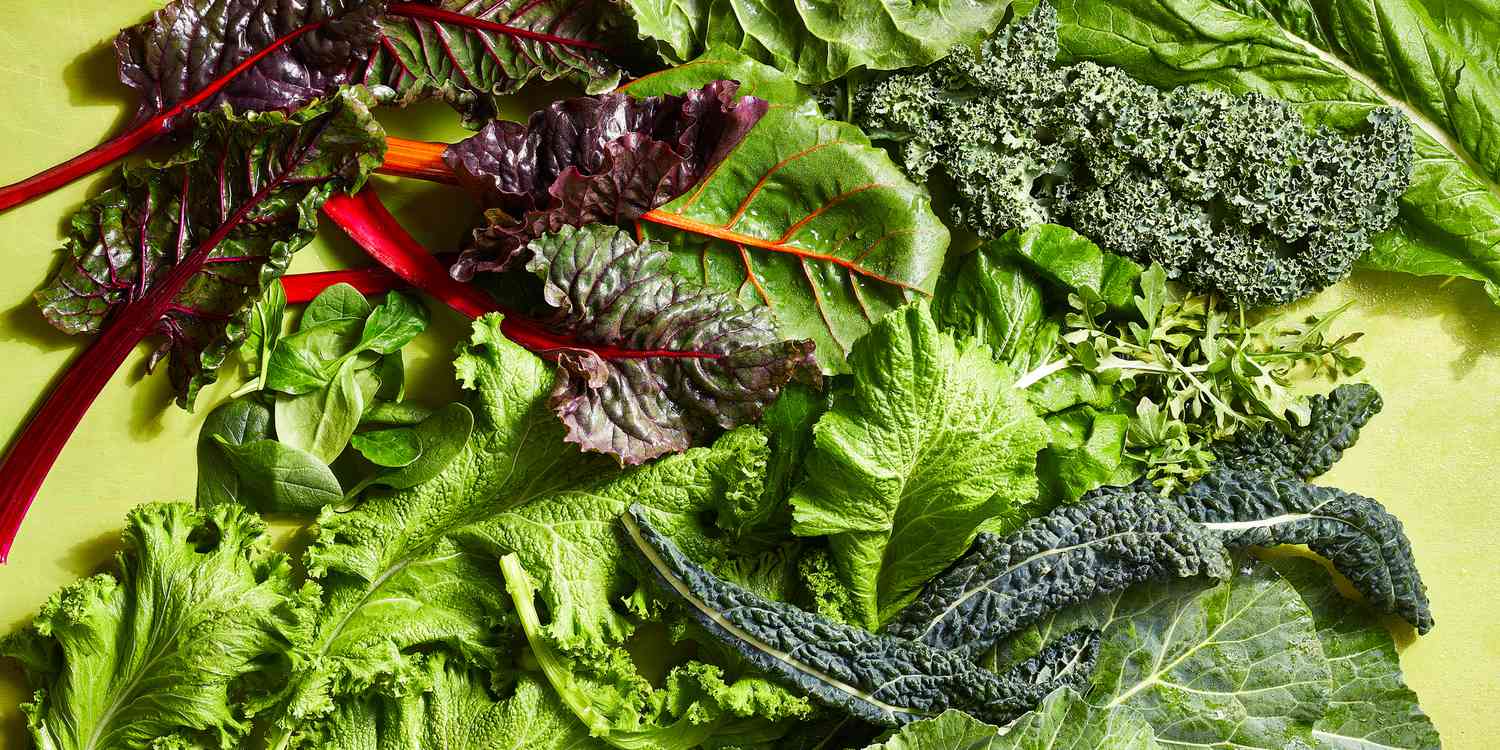
Lettuce is a lot of things: a salad foundation, a burger topper, a wrap, and more. It’s fresh, light, and sometimes crunchy, serving as a blank slate and vehicle for flavor.
But we’ll admit, lettuce can be somewhat finicky when it comes to shelf life. How many times have you brought home fresh leafy greens, only to be disappointed, days later, to find your favorite variety slimy or limp when you reach for it in the fridge? We get it, it happens to the best of us. So, to avoid any more salad disappointments, we’re walking you through the best methods for storing lettuce so you can make the most of your grocery haul.
How To Shop for Lettuce
For the freshest lettuce, it all starts at the grocery store, farmers market, or wherever you get your produce. Whether you opt for loose, bagged, boxed, or a full head of lettuce is entirely up to you. However, since heads of lettuce are fully intact, they tend to last longer and make for a crunchier, fresher-tasting product.
When buying a head of lettuce, the bunch should be tight, the leaves should feel crisp and vibrant, and if anything is even close to slimy, brown, or heavily spotted, leave it on the shelf.
Allrecipes / Adobe
Look for similar qualities in loose-leaf lettuce. Check the bottom of the container or the back of the bag to inspect for slimy residue, stuck-together leaves, and discoloration.
Try to purchase bags with the best-by date as far out as possible. Sometimes this means reaching for the bags towards the back of the pile—that’s where the latest date will be, since stores try to sell the bags with the closest date first.
Should You Wash Lettuce Before Storing?
The short answer is no. Minimizing moisture is paramount for the lifespan of lettuce. Head lettuce, especially, shouldn’t be washed until you’re ready to use it. Even then, only remove and clean the leaves you’ll need.
The Best Ways To Store Lettuce in the Fridge
How you store your lettuce will understandably vary, depending on whether you’re working with a whole head or loose leaves.
Head of Lettuce
Cut off the stem, leaving the head intact. Wrap a paper towel or dish towel around the lettuce head, which’ll absorb any excess moisture as it stores. Place the lettuce head in the crisper drawer in the fridge. The drawer should be set to high, so that other vegetables, such as broccoli and cucumber, can also be stored there. However, you don’t want to store any ethylene-producing produce, like fruit, in the same drawer as the lettuce, or it’ll be a goner in no time.
Bagged Lettuce
Remove the heads from the bag they’re sold in and remove any brown or damaged outer leaves. Wrap the lettuce in paper towels, then place it in new plastic bags before relegating it to the crisper drawer of the fridge. Leave heads of iceberg lettuce in their shrink-wrapped plastic packaging until you’re ready to use them.
Loose, Leafy Greens
Since loose, leafy greens like a grocery store salad kit are already separated, their shelf life is already somewhat compromised. But there are a couple of things you can do.
Transfer the lettuce from the manufacturer’s bag to an airtight storage container lined with a paper towel. You can also open the bag, add a paper towel, and reseal it with a clip, replacing the towel daily.
Letting the lettuce breathe, while keeping it protected from outside air to minimize oxygen exposure, is a delicate balance—but it’ll help extend its life. Airtight plastic or glass storage containers do a good job of this and are a great option if you don’t want to use another bag. If you use a large enough container, it’ll give the leaves more room, so they aren’t so easily squished or bruised.
How To Tell If Lettuce Has Gone Bad
Thankfully, lettuce has some dead giveaways when it starts to go bad. The leaves droop and lose their vibrance. Then they soften and darken to brown, black, or even red shades. Finally, they’ll turn soggy, mushy, and slimy, releasing a colored liquid. If your lettuce has gone bad, the best practice is to toss it.