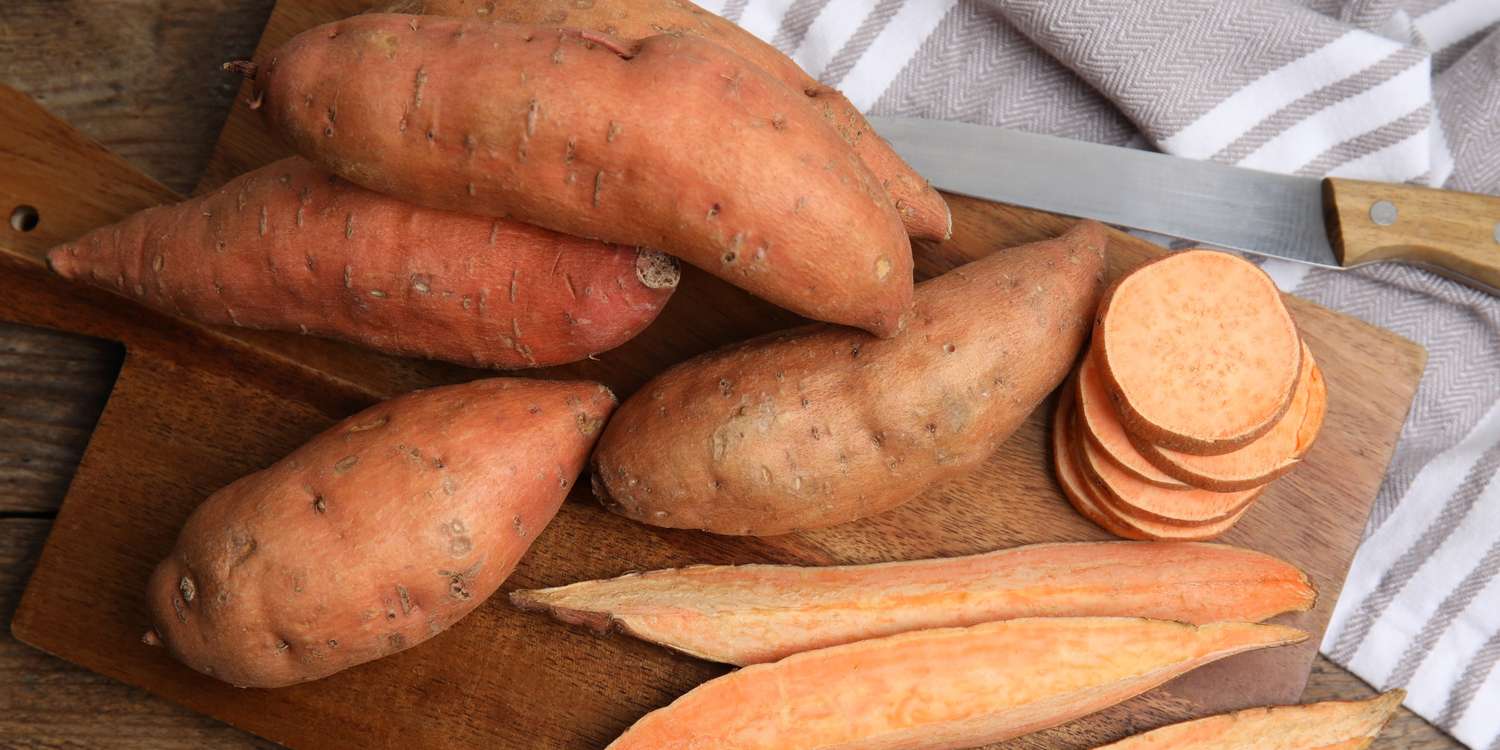
Sweet potatoes are everywhere during the holidays. They’re mashed into casseroles, roasted on sheet pans, and baked into pies. But while they’re a seasonal favorite, one mystery seems to pop up year after year: How do you actually know when a sweet potato has gone bad? We tapped someone who knows the vegetable inside and out for answers.
Meet the Sweet Potato Farmer
While Colorado isn’t known for being sweet potato–friendly (the climate’s just not humid or hot enough), farmer and chef Eric Skokan was determined to grow them anyway. The owner of Black Cat Farm, a 425-acre certified organic farm near Boulder, was inspired by his father-in-law, Frank Verde, who grew up eating fingerling sweet potatoes that were boiled and caramelized in a cast-iron pan as an after-school snack on the East Coast.
“They were salty and sweet and crispy and gushy all at the same time,” Skokan recalls.
To make sweet potato growing work in Colorado, Skokan harvests them early—30 to 60 days sooner than standard—to beat the unpredictable weather. The result? Petite, tender fingerlings that are perfect for roasting. At his restaurant Bramble and Hare and farm dinners, he serves them just like his father-in-law enjoyed them: blanched in salty water, then crisped in olive oil in a cast-iron skillet.
With years of experience growing and cooking sweet potatoes, Skokan knows a thing or two about picking the best ones—and when to toss them.
How To Tell if Sweet Potatoes Are Bad
Ever sliced open a sweet potato only to find white specks or strange patches inside? White specks are usually just concentrated starches or crystalline sugars and are totally safe to eat. But white or black splotches? That’s a sign your potato is past its prime, according to Skokan.
“Sweet potatoes are root vegetables like carrots and beets, which means they’re still alive after they’re harvested,” he says. “They’re always fighting to battle off potential infections, like mold or bacteria.”
Large white or black patches—especially if there are several—could mean the potato is struggling to stay viable. If it’s just a small spot or bruise on an otherwise firm sweet potato, Skokan says you can cut around it. But if it smells off, feels mushy, is oozing liquid, or looks shriveled, it’s time to toss.
Are Sprouted Sweet Potatoes Safe To Eat?
Unlike white potatoes (which are part of the nightshade family and can be toxic if sprouted), sweet potato sprouts are safe—and even edible. In fact, you can roast them or toss them in a stir-fry like spinach.
Or you can grow your own sweet potato plant. All you have to do is let the sprouts grow four to five inches, root them in water, and plant them in the ground.
How To Pick the Best Sweet Potatoes
Dotdash Meredith Food Studios
When it comes to flavor and texture, bigger isn’t always better. You might not find Skokan’s fingerling sweet potatoes at your local grocery store, but even medium-sized ones (about 8 to 12 ounces) can be sweeter and creamier than their oversized counterparts.
Skinnier sweet potatoes are great for roasting whole or slicing into wedges. Larger ones tend to be starchier, making them better for mashing or fries.
How To Store Sweet Potatoes Properly
Size also affects shelf life. Larger sweet potatoes are more shelf-stable, Skokan says, because they have more internal “resources” to help them stay dormant. That’s why large potatoes are a common sight at the grocery store.
“Think of it like a bear hibernating in the fall. A bear needs to put on a ton of weight so it can hibernate and use that weight as its energy source to stay alive during its hibernation.”
A grapefruit-sized sweet potato can last four to six months at room temperature, while golf-ball-sized varieties dry out much faster. For smaller or fingerling varieties, Skokan recommends storing them in the fridge to keep them from drying out too quickly.
Bottom line: trust your senses. If your sweet potato smells funky, feels mushy, or has spots that make you nervous, it’s okay to let it go—and grab a fresh one for your next sheet-pan dinner or holiday mash.